
Views: 0 Author: Site Editor Publish Time: 2025-10-14 Origin: Site
Insulation is key to maintaining comfort and reducing energy costs in modern buildings. Can polyurethane (PU) revolutionize this industry?
Polyurethane has become a top choice for insulation due to its superior thermal performance and versatility. This article will explore its advantages, how it works, and its growing role in Building and Insulation Materials.
In this guide, you’ll discover how polyurethane functions as insulation, its thermal properties, and its diverse applications in residential, commercial, and industrial settings.
Polyurethane (PU) insulation is derived from a chemical reaction between polyols and diisocyanates, which forms a versatile and high-performance material used to insulate buildings. The material can be applied in several forms, including rigid foam boards and spray foam.
PU mold technology is particularly advantageous for its ability to be customized for various building and insulation materials. This customization allows PU insulation to serve both as a high-efficiency barrier against heat loss and an effective sound barrier in buildings.
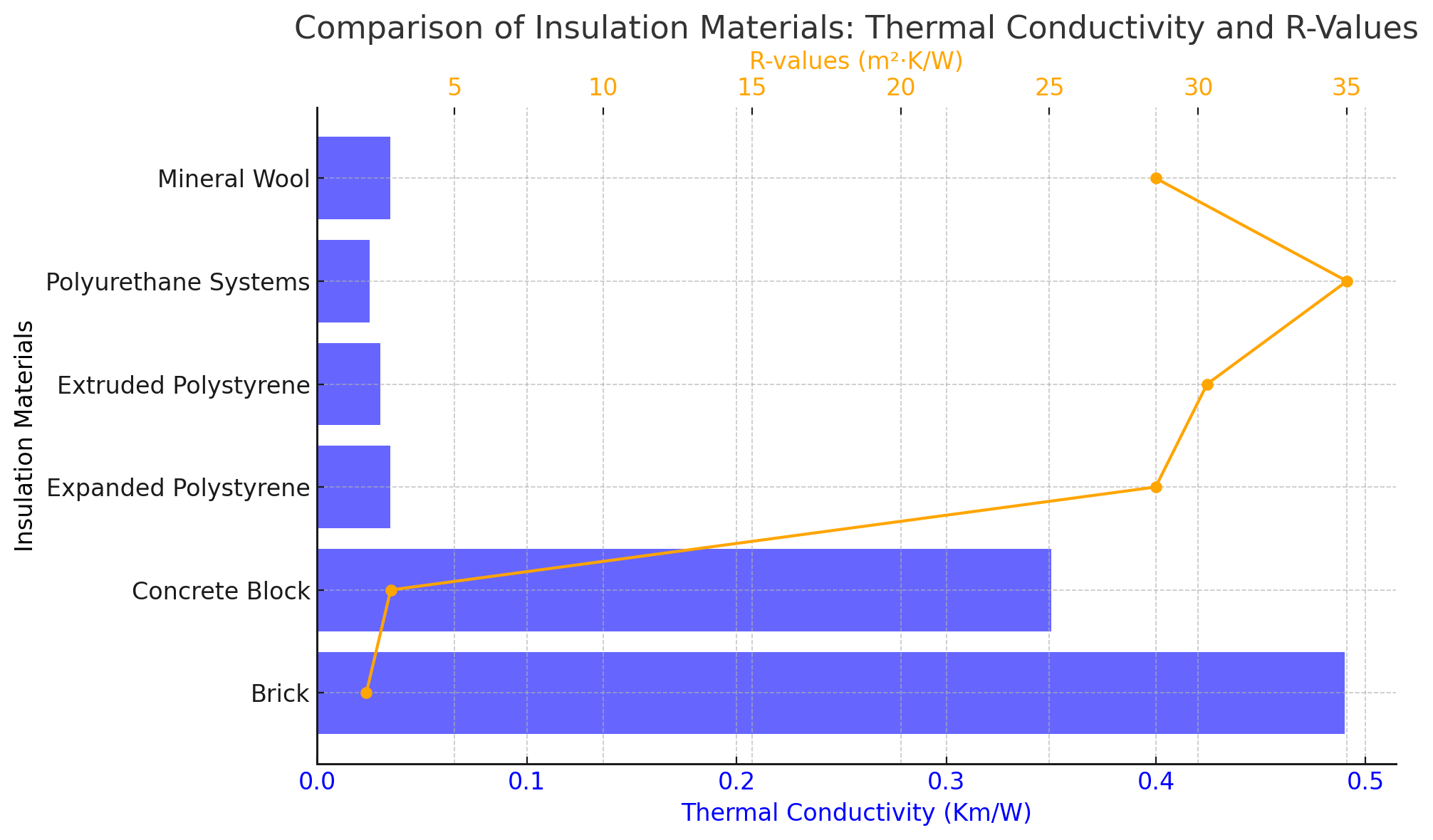
Polyurethane’s insulation properties are exceptional due to its low thermal conductivity. When comparing PU mold insulation to other traditional materials such as fiberglass or mineral wool, polyurethane shows a much lower thermal conductivity, meaning it retains heat more effectively.
Polyurethane also excels in preventing air infiltration, a crucial factor in maintaining consistent temperatures inside buildings. Additionally, its ability to resist moisture ensures that the insulation remains effective over time without the risk of mold growth or decay.
Polyurethane offers one of the highest R-values per inch of thickness, meaning it provides excellent thermal resistance without taking up much space. This high R-value makes polyurethane insulation ideal for building applications where energy efficiency is key.
When compared to traditional insulation materials, PU insulation is significantly more efficient. It can provide the same thermal performance as thicker layers of materials like fiberglass or mineral wool, reducing the need for additional layers and saving valuable space.
Polyurethane insulation is known for its air-sealing properties, which help to eliminate drafts and gaps that can cause energy loss. It forms a seamless barrier that prevents air from escaping or entering, ensuring consistent temperature control.
Furthermore, PU insulation is moisture-resistant, making it an excellent choice for preventing condensation and mold growth. In regions with high humidity, polyurethane can be a long-lasting solution to insulating homes and commercial buildings, safeguarding both energy efficiency and structural integrity.
Unlike many traditional insulation materials that can be bulky, polyurethane insulation is relatively lightweight and requires minimal space. For buildings with limited space or where additional thickness cannot be added to walls or roofs, polyurethane offers an efficient solution without compromising on performance.
In addition to being space-efficient, the material is also easy to handle and install, which contributes to reduced labor costs and quicker project timelines.
Spray foam insulation is applied as a liquid that expands into a dense foam once it’s sprayed onto surfaces. This makes it ideal for sealing irregular or hard-to-reach areas, such as wall cavities, roofs, and crawl spaces.
Spray foam also adheres to surfaces well, creating a continuous insulation barrier that prevents gaps and heat loss. The flexibility of PU mold allows spray foam to easily conform to complex building shapes, making it a versatile option for both new and retrofit projects.
Rigid polyurethane boards are pre-formed and can be used in various building applications, including wall, floor, and roof insulation. These boards offer high compressive strength and exceptional thermal resistance.
With Building and Insulation Materials, polyurethane boards are commonly used for external wall cladding, attic insulation, and foundation insulation, providing long-term performance with minimal thickness.
Both polyisocyanurate (PIR) and polyurethane (PUR) boards are types of rigid foam insulation, but PIR offers superior fire resistance compared to PUR. PIR insulation boards are often used in applications where additional flame retardancy is required, such as in commercial buildings or industrial settings.
Although PUR is widely used for general thermal insulation, PIR boards offer added benefits for areas requiring higher fire safety standards, making it an ideal choice in many building applications.
Polyurethane insulation is commonly used in residential and commercial buildings for wall, roof, and attic insulation. It is particularly effective in preventing heat loss, thus enhancing energy efficiency and indoor comfort.
With PU mold technology, it’s easy to integrate polyurethane into various building designs, from new constructions to renovation projects. Its ability to minimize energy consumption has made it a preferred choice in energy-efficient buildings and homes.
Polyurethane's excellent insulating properties are not limited to residential buildings. In the industrial sector, PU insulation plays a crucial role in the energy efficiency of factories, warehouses, and processing plants.
From insulating pipes and machinery to cold storage units, polyurethane helps maintain the desired temperatures and reduces energy costs. Its durability also ensures that it performs well in demanding environments, such as manufacturing plants where temperature control is critical.
Polyurethane insulation is also widely used in specialized areas, including refrigeration units and marine vessels. Its moisture resistance and ability to maintain temperature control make it an ideal choice for cold storage and marine applications.
In refrigeration, polyurethane helps prevent energy loss and ensures that cold air stays inside, enhancing the efficiency of cooling systems. In the marine industry, it helps protect boats and ships from temperature extremes while minimizing weight.
Polyurethane insulation has a significant environmental advantage in terms of energy efficiency. By reducing energy consumption, buildings insulated with polyurethane help reduce greenhouse gas emissions.
While the production of polyurethane does require energy, the long-term energy savings it provides can outweigh the initial environmental costs. Additionally, efforts are underway to make PU insulation more eco-friendly by using renewable and recycled materials in its production.
Polyurethane insulation tends to have a higher upfront cost compared to traditional materials like fiberglass. However, its superior thermal efficiency and long lifespan result in substantial energy savings over time.
The cost-effectiveness of polyurethane is especially evident in buildings where energy efficiency is a priority. While the initial investment may be higher, the long-term savings in heating and cooling costs often justify the expense.
Polyurethane is ideal for situations where maximum insulation performance is needed without adding excessive bulk. When compared to other insulation materials, it provides superior thermal resistance at a lower thickness, making it a great choice for space-limited applications.
Choosing polyurethane depends on the balance between cost and performance, especially in energy-efficient designs where long-term savings are a priority.
Polyurethane insulation can be installed using spray foam or rigid boards, and both methods come with specific installation requirements.
For maximum effectiveness, it’s crucial to ensure proper installation, as gaps or improper sealing can diminish the material's insulating properties. Professional installation ensures that PU mold materials are applied correctly, yielding the best results for both thermal resistance and durability.
Polyurethane is an outstanding insulation material, offering superior thermal efficiency, airtight sealing, and long-term durability. Whether you are insulating a residential building, a commercial property, or an industrial facility, polyurethane provides excellent performance and value.
Polyurethane insulation is a top choice for Building and Insulation Materials. Its versatility, energy-saving benefits, and environmental advantages make it an essential part of modern construction. If you're aiming to maximize comfort and minimize energy consumption, polyurethane insulation is a reliable solution.
Shengfa Mould offers high-quality products that meet insulation needs, ensuring optimal performance and durability in building projects.
A: Polyurethane insulation is a versatile material used in Building and Insulation Materials. It provides high thermal efficiency and air sealing. It is commonly applied as rigid foam or spray foam in walls, attics, and industrial systems.
A: Yes, polyurethane is ideal for commercial properties. Its superior insulating properties make it effective for reducing energy consumption in large structures, providing long-term savings and comfort.
A: Polyurethane offers better thermal performance and energy efficiency compared to fiberglass. It provides higher R-values with less thickness, making it more space-efficient and cost-effective in Building and Insulation Materials applications.
A: PU mold technology enhances polyurethane's durability, ensuring a consistent and reliable barrier against heat loss and moisture infiltration, improving the overall insulation performance.
A: Yes, polyurethane is widely used in industrial applications due to its high thermal resistance, moisture resistance, and ability to fit irregular shapes, making it perfect for machinery and pipes.


