
Views: 0 Author: Site Editor Publish Time: 2025-10-11 Origin: Site
Can mold really grow on polyurethane, a material known for its durability and versatility in consumer goods and furniture?
Polyurethane is widely used in furniture, insulation, and various products, but does it support mold growth? This article explores the possibility, the factors that contribute to mold growth, and how to prevent it.
In this article, you'll learn whether polyurethane is susceptible to mold, how it reacts to moisture, and the steps you can take to keep it mold-free.
Polyurethane (PU) is a versatile polymer that can be molded into various forms, such as flexible foams, rigid foams, and coatings. It is commonly used in consumer goods and furniture, especially for items like mattresses, upholstery, and insulation.
Polyurethane is formed by combining two key chemicals: diisocyanates and polyols. These components give PU its unique properties, such as flexibility, durability, and resistance to wear.
The primary chemical structure of polyurethane includes the polymer chains that form a dense network of bonds. These bonds help PU resist water penetration compared to other materials like wood or fabric. However, like any material, if exposed to excessive moisture, it may still become vulnerable to mold growth.
PU mold used in manufacturing consumer goods and furniture can vary in structure, providing different levels of durability and resistance to moisture, making it essential to understand how to treat and maintain PU products.
Mold grows in environments with high moisture and humidity, making it a concern for products like PU mold foam in consumer goods and furniture. Polyurethane itself is hydrophobic, meaning it resists absorbing water, but it is not immune to mold when exposed to the right conditions.
The key factors contributing to mold growth on PU include:
● Moisture and Humidity: Constant exposure to moisture, such as spills or damp environments, can encourage mold growth on polyurethane.
● Organic Debris: Dust, dirt, or other organic matter on PU surfaces provides a food source for mold, creating an ideal environment for microbial growth.
Polyurethane foam, commonly used in consumer goods and furniture like cushions, mattresses, and insulation, can trap moisture, especially when it is not properly sealed or maintained. PU foam is particularly vulnerable in damp environments, such as bathrooms or basements, where mold can grow rapidly if cleaning and ventilation are inadequate.
In industrial settings, where PU foam is often used for insulation, mold can still develop in certain circumstances, especially in areas exposed to leaks or high humidity levels. It’s crucial to maintain PU foam insulation to prevent moisture buildup, which can promote mold growth.
Several environmental conditions can make polyurethane products more susceptible to mold:
● Temperature and Humidity: Mold thrives in warm, moist environments. If the temperature is consistently high and the air is humid, it can lead to the growth of mold on polyurethane.
● Surface Texture and Porosity: Some types of PU have a porous surface that can trap moisture, making it easier for mold to form. Smoother PU surfaces may resist mold more effectively than rougher, more porous ones.
The best way to combat mold growth on consumer goods and furniture is prevention. Here are a few strategies to keep polyurethane products mold-free:
● Use of Antimicrobial Treatments: Many PU products are now manufactured with antimicrobial additives that actively prevent mold, mildew, and bacteria from growing.
● Cleaning and Maintenance: Regularly cleaning polyurethane furniture or products with a mild cleaner can help prevent mold from taking hold. Ensuring proper ventilation in rooms that contain PU products will also reduce the risk of mold growth.
Polyurethane coatings serve as a protective barrier that helps prevent moisture penetration. These coatings are widely used in consumer goods and furniture, especially in outdoor and high-moisture environments. Applying a polyurethane coating to your furniture or foam cushions can reduce the chances of mold growth by keeping moisture at bay.
● Sealing PU Foam: Properly sealing PU foam in products like mattresses and cushions ensures that moisture cannot penetrate, significantly reducing the potential for mold growth.
If mold does form on your PU mold products, it’s important to act quickly to remove it:
● Cleaning Mold off Polyurethane: Use a mild cleaning solution with water and a disinfectant like vinegar or hydrogen peroxide to clean the affected area. Scrub gently to avoid damaging the material.
● Replacing Affected PU Materials: If mold damage is extensive and cleaning doesn’t resolve the issue, it may be time to replace the affected polyurethane product.
When comparing PU mold products to other common materials used in consumer goods and furniture, it is important to consider how resistant each material is to mold:
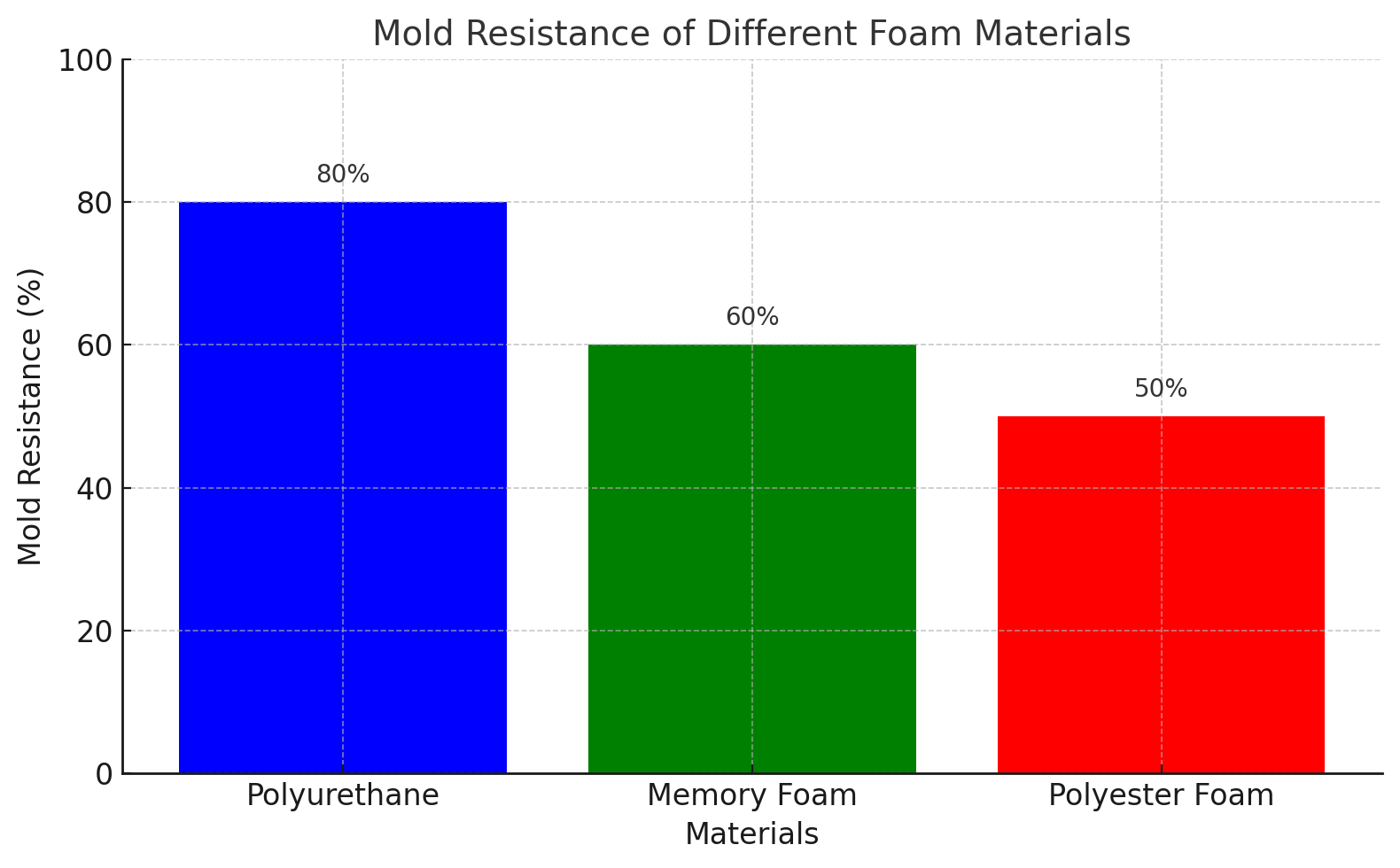
● Polyurethane vs. Memory Foam: Memory foam is denser than PU foam, which can lead to higher moisture retention. However, PU foam tends to have better mold resistance due to its inherent hydrophobic properties.
● Polyurethane vs. Polyester Foam: Polyester foam, commonly used in furniture and bedding, is more porous than polyurethane foam, making it more prone to mold growth under similar conditions.
Polyurethane has many benefits for consumer goods and furniture:
● Durability and Resistance: When well-maintained, PU can resist mold growth effectively compared to other materials. Its long lifespan makes it ideal for use in products that must withstand prolonged use.
● Applications in Building and Insulation Materials: PU's role in insulation helps to mitigate mold growth when used with proper sealing methods. It is an essential material for preventing mold in both residential and commercial buildings.
Polyurethane is naturally resistant to moisture and other environmental factors. However, its ability to resist mold growth depends on several factors:
● Waterproofing Properties: Many types of polyurethane are designed to be waterproof, making them ideal for use in environments where moisture exposure is frequent.
● Thermal Insulation: As a thermal insulator, polyurethane reduces the risk of condensation, further preventing mold growth.
Polyurethane products in damp or humid environments require extra care:
● Tips for Ensuring Mold Resistance: Ensure that polyurethane furniture and goods are kept dry and are placed in well-ventilated areas.
● Dealing with Flooding or High Moisture: In environments prone to flooding or high moisture, ensure that PU products are kept off the ground or are treated with moisture-resistant coatings.
Mold can grow on polyurethane under the right conditions, but with proper maintenance and precautions, it can be prevented. Using antimicrobial-treated PU in Covering parts of engineering vehicles - Shengfa can significantly reduce mold risk.
Polyurethane’s versatility makes it an ideal material for various applications, but mold growth can still occur if it’s exposed to moisture over time. Using antimicrobial additives and maintaining a dry environment can keep PU products mold-free.
Injection Mold , SMC Mold, PU Mold Manufacturer & Supplier - Shengfa provides high-quality polyurethane solutions, helping reduce the risk of mold growth in furniture and other products. Their products offer durability and mold resistance, enhancing the value and lifespan of polyurethane-based items.
A: Yes, mold can grow on polyurethane if exposed to moisture, but with proper maintenance and antimicrobial treatments, the risk of mold growth can be minimized.
A: Mold growth on polyurethane is typically caused by excessive moisture, humidity, and the accumulation of organic debris. Regular cleaning and maintaining a dry environment can help prevent this.
A: Use antimicrobial-treated PU foam, which inhibits mold growth. Regular cleaning and ensuring proper ventilation can also help maintain mold-free conditions.
A: Yes, mold can be cleaned from polyurethane furniture using specialized cleaners. However, if the damage is severe, replacing the affected PU material might be necessary.
A: PU mold plays a significant role in manufacturing various consumer goods and furniture by providing durability and versatility, including protection against mold when treated with antimicrobial additives.


