Views: 0 Author: Site Editor Publish Time: 2026-06-24 Origin: Site
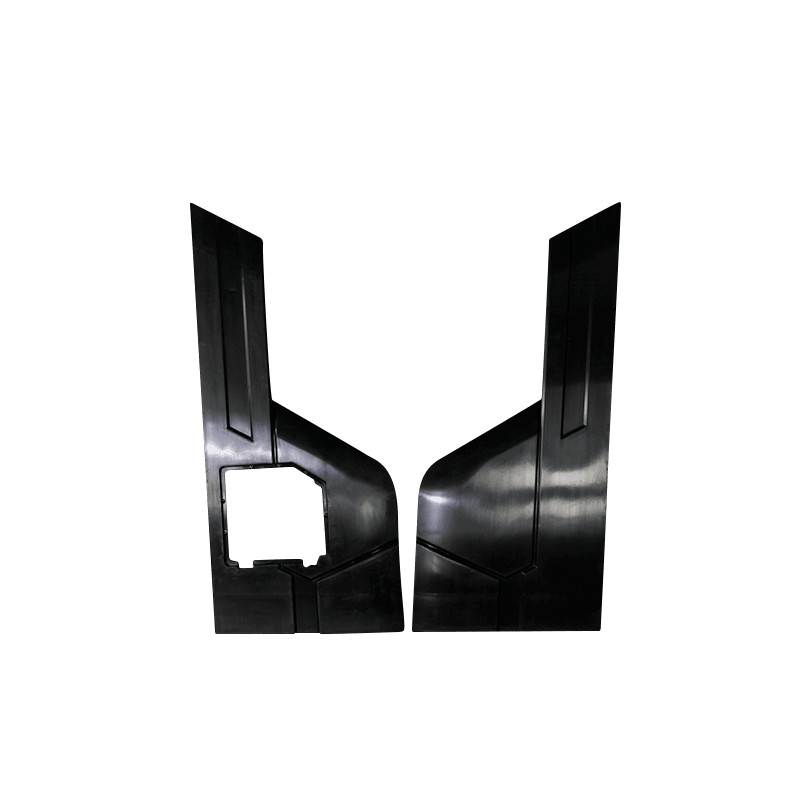
Heavy machinery manufacturing continues to evolve rapidly. We face new demands for cabin components today. These parts must balance extreme impact resistance and significant weight reduction. They also require highly efficient low-to-medium volume production. Traditional materials often fail under these combined pressures. Standard steel adds excessive weight to the chassis. Basic fiberglass reinforced plastic introduces incredibly slow production cycles. Standard injection-molded plastics easily crack under severe stress. They cannot deliver rugged durability alongside an aesthetic finish. This creates a difficult engineering challenge for equipment manufacturers. You must evaluate advanced manufacturing strategies to solve it. This guide provides engineering teams a clear evaluation framework. It details the adoption of a dcpd door panel mold. We will explore specific material advantages and crucial tooling design realities. You will also learn proven risk mitigation strategies. Proper mold design ensures optimal part performance in brutal environments.
DCPD (Dicyclopentadiene) Superiority: Offers unmatched impact resistance and paintability for heavy machinery compared to traditional composites, making it ideal for high-stress environments.
Tooling Economics: Bridges the gap between cheap but slow FRP hand-layup and cost-prohibitive large-tonnage injection molds.
Design Precision: Success requires precise thermal management and venting in the mold design due to the exothermic nature of the DCPD molding process.
Vendor Capabilities: Selecting a tooling partner requires evaluating their specific track record with reactive injection or large part compression mold dynamics, not just standard thermoplastics.
Operators expose heavy machinery to punishing environments every single day. A typical construction vehicle door mold must produce exceptionally rugged panels. Excavators and wheel loaders constantly face flying debris and rock strikes. They endure extreme weather fluctuations throughout the year. Severe engine vibrations test every structural mount on the cabin. Standard thermoplastics simply shatter under these brutal conditions. We need materials capable of surviving continuous abuse.
Engineers also face strict mandates to reduce overall cabin weight. Lighter cabins directly improve fuel efficiency and machine agility. They enhance operator ergonomics simultaneously. Lighter doors are much easier for operators to open and close on steep inclines. However, you cannot sacrifice operator safety just to save weight. This creates a difficult weight versus durability trade-off. Steel offers safety but adds massive bulk. Finding the optimal alternative remains critical for modern equipment design.
Production volume further complicates this crucial engineering decision. Heavy machinery production typically occupies a very specific volume tier. We generally see production runs of 1,000 to 15,000 units annually. At these specific volumes, traditional steel stamping lacks viable returns. Tooling up for massive injection molding also remains highly inefficient. Specialized composite tooling fills this precise gap perfectly. It provides scalable production efficiency for medium-volume manufacturing runs.
Engineers must objectively compare advanced resins against traditional industry choices. DCPD molding stands out significantly during rigorous evaluation. We often compare it directly against Sheet Molding Compound (SMC), fiberglass, and ABS. Impact resistance always represents the most critical performance metric. The material features a unique cross-linked polymer structure. It flexes seamlessly upon heavy impact rather than cracking. SMC and fiberglass often suffer hidden micro-fractures under similar blunt force.
Surface finish presents another major engineering differentiator. Standard fiberglass requires extensive manual sanding and thick gel-coating. These steps add immense labor to the production cycle. Conversely, this advanced polymer achieves an automotive-grade exterior finish directly from the cavity. This Class-A paintability drastically reduces secondary post-processing efforts. You receive a smooth, ready-to-paint part immediately after demolding.
Weight reduction data further supports this necessary material shift. Consider the specific gravity comparisons across common manufacturing options.
Material Specific Gravity and Performance Comparison | |||
Material Type | Specific Gravity | Impact Behavior | Weight Relative to Steel |
|---|---|---|---|
Standard Steel | 7.85 | High (Yields/Dents) | Baseline (100%) |
SMC Composites | 1.80 - 2.00 | Moderate (Cracks) | ~25% |
Traditional FRP | 1.50 - 1.80 | Moderate (Delaminates) | ~22% |
Advanced DCPD | 1.03 - 1.05 | Extremely High (Flexes) | ~13% |
As shown, the material drastically reduces mass compared to traditional alternatives. Finally, consider overall production efficiency. The raw resin may require higher initial investment. However, the automated process yields massive operational time savings. Faster cycle times and significant part consolidation streamline the assembly line. You can eliminate complex multi-part steel assemblies entirely.
Designing tools for reactive liquid polymers requires strict engineering disciplines. The unreacted liquid phase features extremely low initial viscosity. It flows almost like water before the chemical cure begins. Therefore, you must specify bottom-up filling methods in the tool. Specialized gating prevents unwanted air entrapment during injection. It also minimizes fluid turbulence across the cavity surface. Poor flow dynamics will trap invisible voids inside the finished panel.
Thermal management dictates the overall success of the entire process. The chemical reaction generates massive amounts of exothermic heat. The tool must feature highly engineered heating and cooling channels. These internal circuits control the rapid reaction rate precisely. Without strict thermal control, the molded part will warp severely. Uncontrolled heat variations can also cause severe tool degradation over time.
Engineers must establish strict baseline rules for part geometry early.
Draft Angles: Maintain minimum draft angles of 1 to 2 degrees everywhere to ensure clean ejection.
Wall Thickness: Utilize the unique capability to mold varying wall thicknesses without inducing visual sink marks.
Structural Ribbing: Design deep structural ribs to enhance stiffness without adding excessive overall weight.
Radii Design: Implement generous radii on all internal corners to facilitate smooth, uninterrupted fluid flow.
Sealing mechanisms and parting lines demand extreme manufacturing precision. The low-viscosity liquid will escape through microscopic gaps instantly. You must implement strict sealing protocols around the entire tool perimeter. Excellent seal integrity minimizes unwanted flash on the final part. This directly reduces manual post-mold trimming labor on the factory floor.
Every advanced manufacturing process carries inherent implementation risks. Engineering teams must proactively address them during the initial design phase. Shrinkage and warpage prediction ranks as a top engineering priority. The material exhibits specific volumetric shrinkage during its intense exothermic cure. Engineers must utilize advanced mold flow analysis software early. Simulating the curing phase helps compensate for shrinkage mathematically. You adjust the digital cavity dimensions before cutting any physical steel.
Selecting the correct tool metal depends heavily on targeted production volumes.
Aluminum Alloys: Suitable only for rapid prototyping or very low-volume testing runs.
Zinc Alloys: Good for testing initial thermal dynamics on short validation runs.
P20 Tool Steel: The acceptable industry standard for reliable medium-volume production demands.
Forged Steel: Strictly required for the long-term production of a robust large part compression mold.
Maintenance and cleaning routines dictate long-term tool viability completely. Reactive molding inevitably causes some degree of tool fouling over time. Chemical resin residue slowly builds up on the cavity surface. Therefore, accessible tool designs remain an absolute daily necessity. Operators need clear access for the efficient application of mold release agents. Routine cleaning must happen swiftly without requiring complex tool disassembly.
Finding the right engineering vendor guarantees your project success. Standard injection tool makers often fail at composite door panel tooling. Thermoplastic injection relies heavily on extreme pressure and rapid cooling. Conversely, reactive molding relies on low pressure and exothermic heating. You need partners possessing proven expertise in Reaction Injection Molding dynamics. They must understand complex chemical mixing heads and precise fluid delivery.
In-house tryout capabilities provide crucial project risk mitigation. Never accept a finished tool without thorough domestic validation. Select vendors equipped to run actual polymer trials in-house. They must validate complex thermal control circuits before shipping the tool. They must prove the fluid flow dynamics work exactly as simulated. Testing prevents costly engineering modifications at your own facility.
Quality assurance documentation separates elite partners from average machine shops. Demand comprehensive metrology reporting before accepting delivery. Required documentation for a large-format automotive exterior mold must include several crucial items.
Essential Vendor Documentation Requirements Summary | |
Documentation Type | Purpose and Engineering Value |
|---|---|
CMM Inspection Reports | Verifies dimensional accuracy of the steel cavity against CAD. |
Thermal Flow Tests | Confirms proper fluid dynamics within heating and cooling channels. |
First Article Inspection | Validates final part geometry and surface finish quality. |
Material Certification | Ensures the tool steel meets required hardness and density standards. |
These detailed reports ensure the delivered tool meets strict engineering specifications. You can begin pilot production immediately upon arrival.
Designing specialized cabin tooling demands high upfront engineering rigor. However, it yields the most durable doors for modern construction equipment. Shifting away from heavy steel dramatically improves overall field performance. It protects equipment operators while significantly reducing total machine weight. By mastering thermal management and flow dynamics, manufacturers achieve exceptional part quality.
Engineering teams should take immediate, structured action. Begin by compiling your exact production volume and structural load requirements. Next, initiate detailed design-for-manufacturability reviews. Engage only specialized tooling partners who deeply understand reactive fluid dynamics. Careful vendor selection ensures your next machinery launch achieves superior durability. It also guarantees reliable production efficiency for years.
A: A well-engineered steel tool typically delivers over 100,000 production cycles. The low-pressure nature of the reactive process minimizes physical wear on the cavity. Achieving this lifespan requires strict adherence to routine maintenance. Operators must diligently apply release agents and clean residue to prevent surface degradation.
A: The reactive process significantly outperforms traditional fiberglass layup. Standard FRP relies on slow manual curing, often taking hours per part. In contrast, the automated curing time for these cross-linked polymers takes just minutes. This rapid cycle time drastically improves overall manufacturing throughput for heavy equipment.
A: Yes, the low-pressure environment accommodates metal inserts beautifully. Engineers routinely overmold heavy-duty hinges, metal latches, and steel structural reinforcements directly into the door panel. You simply place the inserts into the cavity before injection. The expanding liquid flows around them securely upon curing.
A: Modifications remain extremely difficult and resource-intensive. These tools contain highly complex, tightly packed heating and cooling channels. Cutting into the steel risks rupturing these critical thermal management circuits. This reality stresses the absolute importance of conducting thorough upfront engineering reviews before cutting any metal.