
Views: 0 Author: Site Editor Publish Time: 2026-04-24 Origin: Site
When it comes to manufacturing car bumper molds, precision, efficiency, and high-quality standards are critical. Car bumpers, being an essential part of vehicle safety and design, must be produced with utmost care and accuracy. However, like any complex manufacturing process, creating molds for automotive bumpers can encounter several common defects that affect both the mold quality and the final product. Identifying these defects early on and understanding how to troubleshoot them can save manufacturers a significant amount of time and money. In this guide, we’ll explore the most frequent defects seen in car bumper molds, provide actionable troubleshooting solutions, and offer insights into optimizing the production process. For manufacturers in the automotive sector, these insights are key to improving product quality, enhancing production efficiency, and ensuring a smoother workflow.
Even with advanced technology and careful planning, defects in car bumper molds can occur. These defects can stem from several factors, including improper material choice, mold wear, or issues with the injection molding process itself. Understanding and addressing these common defects is crucial for manufacturers aiming to produce high-quality bumpers. Below are some of the most frequent defects manufacturers face when producing car bumper molds and their potential causes.
Warping occurs when the material cools unevenly during the molding process. This leads to sections of the bumper becoming deformed or misshaped. These distortions can occur at any point in the mold, often due to uneven cooling rates across the mold. When the material cools too quickly in some areas and too slowly in others, the result can be bent or twisted panels. This impacts both the functionality and aesthetic quality of the final product, potentially requiring significant rework or even scrapping of the part..
Surface imperfections such as bubbles, scratches, and marks are often caused by improper handling, contamination in the mold cavity, or inadequate polishing of the mold. Bubbles can form when air is trapped in the mold or when the material is not injected at the proper temperature, while scratches and marks are typically caused by debris in the mold or contact with improperly cleaned surfaces. These imperfections degrade the aesthetic appearance of the bumper and often require additional finishing processes such as sanding, polishing, or painting to fix..
Inadequate filling of the mold can result in sections of the bumper being underdeveloped or incomplete. This can occur if the material is not injected into the mold cavity in a timely or consistent manner, leading to defects in the final product.
Flash is the overflow of material around the edges of the mold where it shouldn’t be. This typically occurs due to improper mold clamping or injection pressure, and it can lead to additional cleaning work and wasted material.
Frequent usage of car bumper molds can lead to wear and tear, such as erosion, pitting, or cracks, all of which can affect the quality of the mold. Regular maintenance and timely replacement of mold components are necessary to prevent these issues.
If the mold cavities are not correctly designed or if the material is not injected evenly, there may be variations in the thickness of the bumper, resulting in weak points that can compromise the part's structural integrity.
Mold misalignment can occur during the manufacturing process, leading to poorly fitted parts. This misalignment can cause issues like improper closure, uneven material flow, and an overall lack of precision in the final bumper shape.
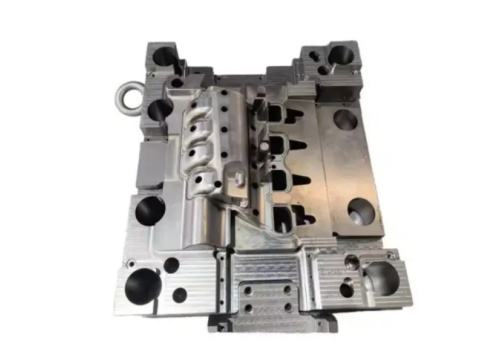
Once the defects have been identified, it’s time to look at the best ways to troubleshoot and resolve these issues. The following troubleshooting solutions can help manufacturers ensure higher quality molds and fewer defects in the final product.
· Solution: To prevent warping, ensure that the cooling process is consistent throughout the entire mold. Employing cooling channels that are designed for even temperature distribution can help maintain uniform cooling rates.
· Preventive Measure: Check the mold’s temperature distribution system and ensure that the material is injected at the optimal temperature for consistent solidification.
· Solution: To avoid surface imperfections like scratches or marks, ensure that the mold cavity is thoroughly cleaned before each production cycle. Any debris or contaminants can be transferred to the final product.
· Preventive Measure: Regularly inspect the mold for wear and tear, and polish it regularly to ensure smooth surfaces. Additionally, reduce the speed of injection molding to reduce the occurrence of bubbles and marks.
· Solution: Improving mold filling often requires adjusting the injection speed and pressure to ensure that the material fills all areas of the mold evenly.
· Preventive Measure: Monitor the material flow rate closely and ensure that the mold is properly vented to allow air to escape as the material fills the cavity.
· Solution: To avoid flash, check the mold clamping pressure to ensure it is sufficient to securely hold the two halves of the mold together. You may also need to adjust the injection pressure to prevent excess material from escaping.
· Preventive Measure: Regularly maintain the mold clamping system to ensure it is functioning optimally and inspect for any damage or misalignment that could contribute to flash formation.
· Solution: Regular maintenance and cleaning of the mold can prevent excessive wear. Check for any signs of mold erosion or damage, and replace worn-out components promptly to avoid further complications.
· Preventive Measure: Implement a mold maintenance schedule to regularly inspect, clean, and lubricate mold parts, ensuring that they remain in good condition for longer production cycles.
· Solution: Consistent material flow and cavity design are key to avoiding thickness variations. Proper mold design, with even distribution of material, helps prevent weak or thick areas in the bumper.
· Preventive Measure: Ensure that the mold is designed with an even wall thickness and that material is injected uniformly. Monitor the mold temperature and material flow throughout the process.
· Solution: Ensure that the mold components are properly aligned and that the mold is securely clamped. Misalignment can often result from wear in the mold or improper handling during the molding process.
· Preventive Measure: Use alignment pins to keep mold parts in position during injection. Additionally, ensure the mold base is stable and inspect the machinery for any misalignment issues.
Defect | Cause | Solution | Preventive Measure |
Warping or Distortion | Uneven cooling | Improve cooling channels | Check mold temperature distribution |
Surface Imperfections | Contamination or inadequate polishing | Clean mold cavity and polish regularly | Inspect for wear and tear |
Poor Mold Filling | Incorrect injection speed or pressure | Adjust injection speed and pressure | Monitor material flow rate |
Flash (Excess Material) | Improper mold clamping or pressure | Adjust mold clamping pressure | Maintain mold clamping system |
Mold Wear and Tear | Regular use and lack of maintenance | Perform regular maintenance and replacement | Inspect mold components regularly |
Inconsistent Thickness | Uneven material flow or mold design | Ensure even material distribution | Design mold with consistent thickness |
Misalignment of Mold Parts | Improper assembly or wear | Align mold parts correctly | Use alignment pins |
Car bumper mold production is a critical process in the automotive industry, and maintaining the quality of your molds is essential to ensuring high-quality finished products. Understanding common defects and implementing effective troubleshooting solutions can significantly reduce downtime, minimize defects, and improve the overall efficiency of your operations. At Zhejiang Taizhou Huangyan Shengfa Mould Co., Ltd., we specialize in producing high-quality car bumper molds that help manufacturers achieve precision and consistency in their production lines. We invite you to explore our products and learn more about how we can assist you in enhancing your mold production process.
Warping is caused by uneven cooling during the molding process. This can be remedied by improving the mold's cooling system to ensure uniform temperature distribution.
Surface imperfections can be minimized by thoroughly cleaning the mold cavity before each use, reducing injection speed, and regularly inspecting the mold for damage.
Flash is often caused by improper mold clamping pressure or excessive injection pressure. To fix this, ensure that the mold is properly clamped and adjust the injection settings.
Regular maintenance is critical for prolonging the life of the mold and preventing defects. It’s recommended to inspect and clean the mold regularly, as well as replace any worn-out components promptly.


